
Guide
Plastic credits in India and the Philippines: EPR rules and how collection works

On this page 8 sections
India and the Philippines matter for anyone looking at plastic credits. Both have large informal waste sectors, coastlines under pressure and new laws that make brands pay for their packaging. Reclaimed Earth works with plastic recovery projects in India, Indonesia and the Philippines, so I want to set out how the rules work and where voluntary credits fit.
If you are new to the topic, start with What is a plastic credit?.
Why EPR matters for plastic credits
Extended producer responsibility means the companies that put packaging on the market pay for collecting and recycling it. Where EPR works, it is the main source of money for waste systems, and it creates legal duties that a voluntary credit cannot replace. Where EPR is new or weak, voluntary credits can fund collection in the gaps.
The two must stay separate in one respect: a tonne of plastic counted towards a company's legal EPR target cannot also be sold as a voluntary credit to someone else. Ask any project in either country about this first.
India: EPR certificates on a national portal
The rules. India's Plastic Waste Management (Amendment) Rules 2022 introduced EPR guidelines for plastic packaging, notified on 16 February 2022. Producers, importers and brand owners (PIBOs) must register on a portal run by the Central Pollution Control Board (CPCB), report the packaging they place on the market and meet targets for collecting and recycling it.
Four categories. The rules split plastic packaging into:
| Category | What it covers |
|---|---|
| I | Rigid plastic packaging |
| II | Flexible packaging, single or multilayer, plus carry bags, sachets and pouches |
| III | Multilayered packaging with at least one layer of plastic and one of another material |
| IV | Compostable plastic sheets and carry bags |
Rising targets. PIBOs can meet their obligation through recycling, co-processing, waste-to-oil or waste-to-energy, or use in road making. The rules set a minimum share that must be recycled, and that share rises each year by category. Published summaries of Schedule II give, for example, 50% for rigid packaging in 2024-25, rising to 80% from 2027-28. The rules also set minimum recycled content in new packaging.
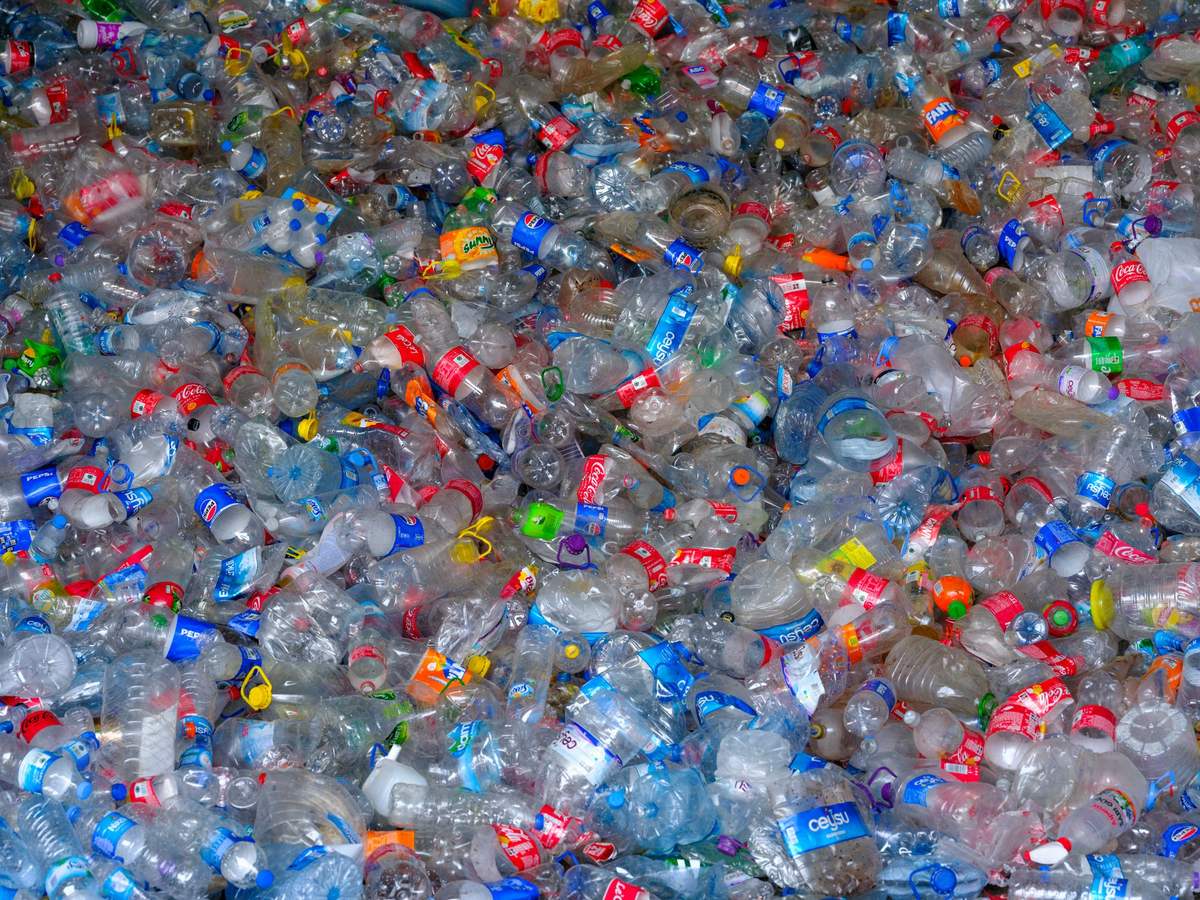
EPR certificates. Plastic waste processors registered with the CPCB generate EPR certificates for the plastic they process. PIBOs acquire these certificates to meet their targets. They are regulated compliance instruments, tied to a named company's obligation on the portal. They are not voluntary plastic credits, and the two should not be confused.
Enforcement. The system has had enforcement problems. The CPCB has reported to India's National Green Tribunal that it directed state boards to act against 134 audited processors, including environmental compensation and cancelled registrations.
Where voluntary credits fit. A brand with no Indian EPR obligation, such as a UK company that does not sell packaging in India, can still fund collection in India through voluntary plastic credits. The credits must come from plastic that is not also counted on the EPR portal.
The Philippines: the EPR Act of 2022
The law. The Extended Producer Responsibility Act of 2022 (Republic Act 11898) took effect in August 2022. Its implementing rules, DENR Administrative Order 2023-02, took effect on 17 February 2023.
Who it covers. Brand owners, manufacturers and importers with total assets above ₱100 million must comply. Smaller businesses are encouraged to join voluntarily. The law covers rigid packaging, flexible packaging such as sachets and laminates, multilayer packaging and polystyrene.
Targets. Obliged companies must recover a rising share of the plastic packaging they sell: 20% in 2023, 40% in 2024, 50% in 2025, 60% in 2026, 70% in 2027 and 80% from 2028.
How companies comply. They can run their own programmes or work through producer responsibility organisations. The rules allow offsetting and buy-back schemes, and some organisations use plastic credits. Recovery can include recycling, upcycling and co-processing, where plastic is burned as fuel in cement kilns.
Results so far. In June 2024 the Department of Environment and Natural Resources (DENR) reported that companies had diverted 124,986 tonnes of plastic packaging in 2023, 20% of a reported footprint of 624,547 tonnes, meeting the first target. Critics point out that recovery figures under the law count co-processing alongside recycling. Companies that fail to comply face fines of ₱5 million to ₱20 million.
Where voluntary credits fit. In the Philippines the line between compliance and voluntary credits is thinner than in India, because the law itself allows offsetting. A buyer should ask whether a credit has already been used for a company's EPR compliance, and what happened to the plastic: recycled, or burned in a kiln. Our guide to what happens to collected plastic explains why that matters.
India and the Philippines side by side
| Aspect | India | Philippines |
|---|---|---|
| Law | Plastic Waste Management (Amendment) Rules 2022 and later amendments | Extended Producer Responsibility Act 2022 (RA 11898) |
| Who must comply | Producers, importers and brand owners of plastic packaging | Brand owners, manufacturers, importers with assets above ₱100 million |
| Instrument | EPR certificates from registered processors, on the CPCB portal | Company programmes, producer responsibility organisations, offsetting |
| Targets | Minimum recycling shares by category, rising each year | Recovery targets rising to 80% from 2028 |
| Counts burning as fuel? | Co-processing and waste-to-energy are accepted ways to process plastic, alongside a minimum recycling share | Yes, co-processing counts towards recovery |
| Role for voluntary credits | Outside the EPR system; must not double count | Used by some compliance schemes; check for double counting |
What this looks like on the ground
Laws set targets; people do the collecting. In both countries much of the work is done by informal waste workers.
We have visited OAR, one of our partners in India, several times. What stood out to me was the energy and commitment of the people involved, and their approach to bringing informal waste workers into community collection. OAR blends plastic credits, producer responsibility and community collection.
From working with plastic in production, I know that collecting a material and making it useful again are different challenges. EPR targets measure both, in different ways, in each country. A good project can show you where its plastic goes after collection and which system each tonne is counted in.
Questions to ask about a project in India or the Philippines
Is the plastic also counted towards a company's EPR target? If so, it cannot be sold to you as well.
Which standard issued the credit, and where is the registry entry? See how plastic credits are verified.
What happened to the plastic: recycled, co-processed or landfilled?
Who collected it, and how were they paid and protected?
Can you see the evidence for each step?
The Reclaim Earth newsletter
Follow the plastic, not the promises.
One email a month on plastic recovery.
Updates from our partner projects, plain-English explainers on plastic credits, and the questions worth asking of any plastic claim. Free, and you can unsubscribe at any time.
Sign-ups are handled by Substack. See Substack's privacy policy, our privacy notice and our cookie notice.
Frequently asked questions
Are India's EPR certificates the same as plastic credits?
No. EPR certificates are regulated instruments that producers use to meet legal targets on the CPCB portal. Voluntary plastic credits sit outside that system.
Can a foreign company buy EPR certificates in India?
EPR certificates serve the obligations of producers, importers and brand owners registered in India. A company without an Indian obligation would normally fund collection through voluntary credits instead.
Does the Philippines' EPR Act allow plastic credits?
The implementing rules allow offsetting and buy-back schemes, and some producer responsibility organisations use credits. Check that any credit you buy has not already been used for compliance.
Does burning plastic count as recovery in the Philippines?
Yes. Co-processing, such as burning plastic as fuel in cement kilns, counts towards recovery targets alongside recycling.
Which country has more plastic leaking into rivers?
A 2021 model by Meijer and colleagues ranked the Philippines first and India second for river-borne plastic emissions. It is a model based on 2015 data, not a measurement. Our article on the Great Pacific Garbage Patch explains the study.
Sources
- GIZ and CPCB, Extended producer responsibility portal for plastic packaging (India, 2022)
- Rajya Sabha, reply on EPR guidelines for plastic packaging (December 2022)
- Fox Mandal, Government notifies Plastic Waste Management Amendment Rules 2022
- GPC Gateway, India introduces amendment to Plastic Waste Management Rules (Schedule II targets)
- CPCB report to the National Green Tribunal, O.A. 993 and 926 of 2024
- UNEP, Philippines EPR Act and implementing rules (RA 11898, DAO 2023-02)
- Down To Earth, EPR in Asia-Pacific: the Philippines
- ChemLinked, Philippines sets heavy fines for violations of the EPR Act
- Philippine News Agency, 20% of plastic wastes diverted in first year of EPR Act: DENR (June 2024)
- Meijer, L. et al. (2021), More than 1000 rivers account for 80% of global riverine plastic emissions, Science Advances (TU Delft record)
Published by Reclaimed Earth Limited (Companies House 17392812), which works with plastic recovery projects in India, Indonesia and the Philippines and has a commercial interest in plastic credits. OAR is a Reclaimed Earth partner. Edited with the Reclaimed Earth editorial team. Last updated 20 October 2026.