
Guide
What happens to collected plastic? Recycling, co-processing and landfill

On this page 10 sections
Collection is only the first step. A bag of sachets picked up from a riverbank still has to go somewhere, and where it goes decides what good the work did. I want to understand the whole journey, including what happens after the plastic has been collected.
This guide follows that journey. If you are new to plastic credits, start with What is a plastic credit?.
Why the destination matters
Most plastic is never recycled. The OECD's Global Plastics Outlook found that in 2019 only 9% of the world's plastic waste was recycled. About 19% was incinerated, almost half went to sanitary landfill and 22% was dumped in uncontrolled sites, burned in the open or leaked into the environment.
That last 22% is what plastic credits are meant to reduce. Moving plastic out of a river and into a controlled facility is real progress. But "controlled" covers very different outcomes, and it is easy to assume recycling when the plastic went somewhere else.
The journey after collection
Collection. Waste workers, community groups or municipal crews pick plastic up from streets, beaches, dumpsites or households.
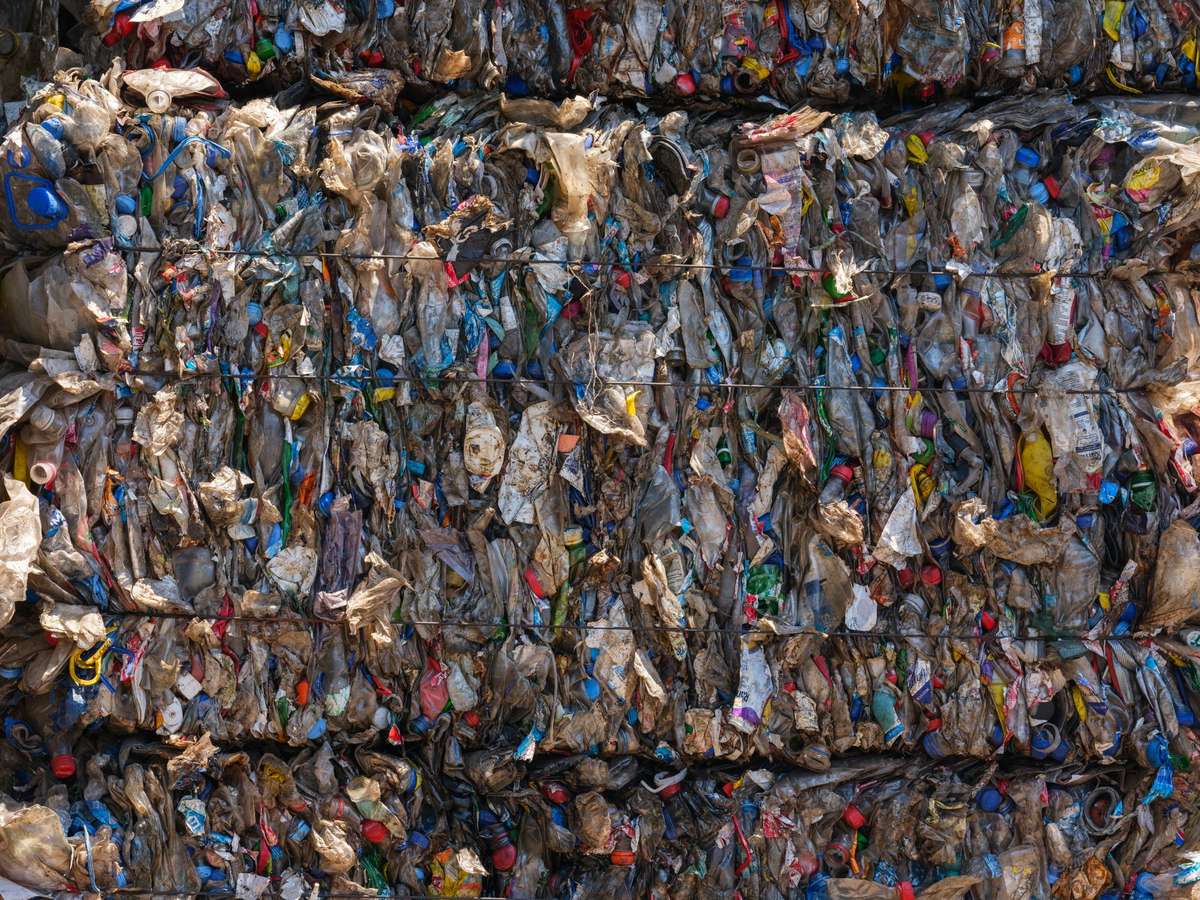
Sorting and aggregation. The plastic is weighed, sorted by type and colour, and baled at a local centre. Clean, single-material plastic such as PET bottles is separated from mixed and dirty material.
Transport. Bales move to a recycler, a cement plant, an energy-from-waste plant or a landfill.
End destination. The plastic is turned into new material, burned for energy or buried.
Each handover should leave a record: a weighbridge ticket, a delivery note, a receipt from the next site. Those documents are what an auditor checks. How plastic credits are verified explains that process.
The main destinations
Mechanical recycling. The plastic is shredded, washed and melted into flakes or pellets, which go into new products. Under the international standard ISO 15270, mechanical recycling processes plastic waste into secondary raw material without significantly changing its chemical structure. It works best for clean, sorted, single-material plastic.
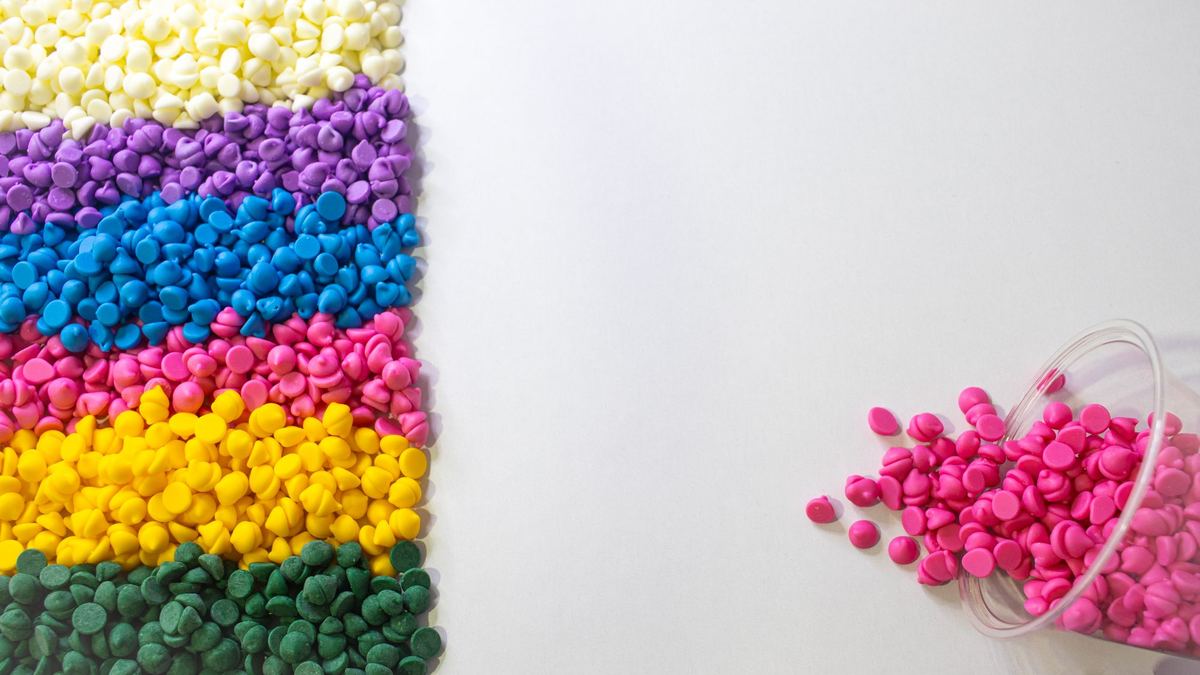
Chemical recycling. Processes such as pyrolysis break plastic down into monomers or other raw materials. ISO 15270 counts this as recycling only when the output becomes new material. Turning plastic into fuel to be burned is energy recovery, not recycling.
Co-processing in cement kilns. Cement kilns heat raw materials to about 1450°C. Plastic that cannot be recycled can be shredded into fuel and burned in the kiln, replacing some coal or other fossil fuel, while its mineral ash ends up in the clinker. Guidelines from Holcim and GIZ say plastic that can be recycled in a closed loop should not go to co-processing, which is meant for material nobody can recycle.
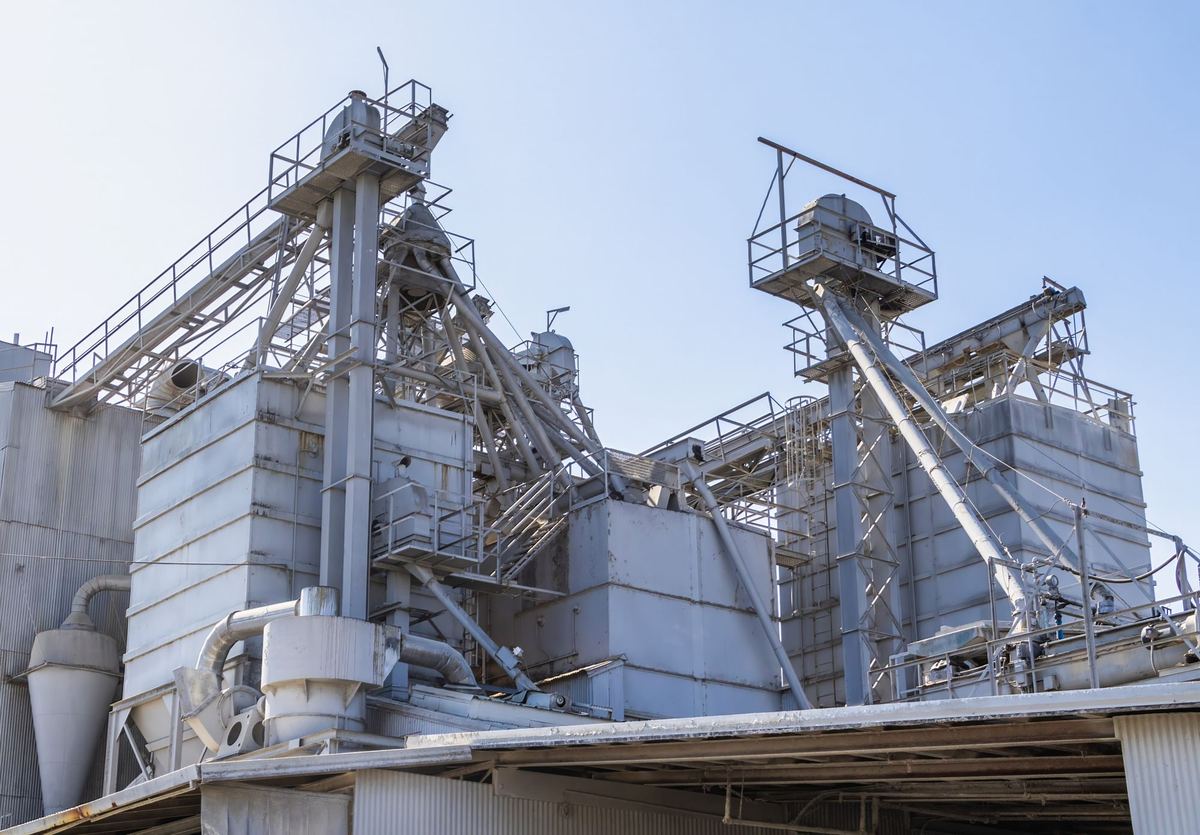
Incineration with energy recovery. Waste-to-energy plants burn mixed waste and recover heat or electricity. The plastic is destroyed and its carbon is released as carbon dioxide.
Controlled landfill. A sanitary landfill contains plastic and stops it reaching rivers and the sea. The plastic stays there indefinitely.
Open burning and dumping. These are what collection aims to prevent. They release smoke and leave plastic free to wash into waterways.
| Destination | What happens to the plastic | Counts as recycling? | Accepted under Verra's collection methodology? |
|---|---|---|---|
| Mechanical recycling | Remade into flakes or pellets | Yes | Yes |
| Chemical recycling (to new material) | Broken into raw materials | Yes | Yes |
| Co-processing in cement kilns | Burned as fuel; ash into clinker | No (energy and mineral recovery) | Not named separately; check the methodology |
| Incineration with energy recovery | Burned for heat or electricity | No | Yes |
| Controlled landfill | Buried and contained | No | Yes, if it meets the criteria |
| Open burning, dumping | Released into air, land or water | No | No |
What plastic credits say about destinations
Different credits cover different parts of the journey, so read the type before you read the number.
Under Verra's Plastic Program, a Waste Collection Credit stands for one tonne of plastic collected and sent to an acceptable end destination beyond the project's baseline. Verra's collection methodology accepts mechanical and chemical recycling, incineration with energy recovery and landfill, each with its own criteria. It excludes open burning, dumping on land or in water, and incineration without energy recovery. When Verra revised the methodology in June 2022, it eased its landfill criteria for regions without access to fully compliant sites and told projects to reduce their use of landfill over time as recycling becomes available.
A Waste Recycling Credit stands for one tonne of plastic recycled beyond the baseline. Verra has said that turning plastic into fuel or energy does not qualify for these credits.
So a collection credit can be accurate and still mean the plastic was burned or buried. The problem starts when someone describes it as recycling.
The co-processing debate
Supporters of co-processing, including the cement industry and development agencies, see it as the best option for plastic nobody can recycle. Holcim and GIZ argue that it reduces open burning and uncontrolled dumping, replaces fossil fuel and raw materials, and respects the waste hierarchy as long as recyclable material is kept out of the kiln.
Critics, including Break Free From Plastic and GAIA, argue that credits for burning plastic swap one kind of pollution for another and remove the pressure to make less plastic. The article Are plastic credits greenwashing? covers their research.
Which side applies depends on the plastic. By the guidelines' own logic, multilayer sachets in a place with no recycling market are a case for a well-run kiln, and PET bottles that a recycler would take are not. Either way, the credit should name the route, and nobody should call it recycling.
What I look for
From working with plastic materials in production, I know that gathering a material and turning it into something useful again are separate problems. So I follow the plastic past the collection point: how it is sorted, where it goes and what it becomes.
Honest Ocean, one of our partners in Indonesia, connects collection and sorting with recycled resin production and material traceability. That link between collection and a new material is what I want to see, because it shows where the plastic ended up.
Questions to ask about any project
Which destinations does the project use, and in what shares?
Is the credit a collection credit or a recycling credit?
Can you see the delivery records from each destination?
Is any plastic that could be recycled going to a kiln or landfill instead?
Does the landfill meet the standard's criteria?
Is the project moving more of its plastic up the hierarchy over time?
How to describe it
Say what happened. For example: "We funded the collection of 40 tonnes of plastic in Kenya in 2026. 15 tonnes were mechanically recycled and 25 tonnes were co-processed in a cement kiln." That is less tidy than "we recycled 40 tonnes", and it is true. Our guide to buying plastic credits responsibly covers wording in more detail.
The Reclaim Earth newsletter
Follow the plastic, not the promises.
One email a month on plastic recovery.
Updates from our partner projects, plain-English explainers on plastic credits, and the questions worth asking of any plastic claim. Free, and you can unsubscribe at any time.
Sign-ups are handled by Substack. See Substack's privacy policy, our privacy notice and our cookie notice.
Frequently asked questions
Does collected plastic get recycled?
Some of it. Clean, sorted, single-material plastic is most likely to be recycled. Mixed, dirty and multilayer plastic often goes to co-processing, energy recovery or landfill.
Is co-processing in a cement kiln recycling?
No. Co-processing recovers energy and minerals. Under ISO 15270, energy recovery does not count as recycling.
Is chemical recycling real recycling?
It counts as recycling when the output becomes new plastic or other materials. When the output is fuel, it is energy recovery.
Can a plastic credit fund plastic that ends up in landfill?
Yes. Verra's collection methodology accepts landfills that meet its criteria, and expects projects to rely on them less as recycling becomes available. A good credit says how much went where.
What is the worst outcome for collected plastic?
Open burning or dumping. Verra's methodology excludes both.
Sources
- OECD, Plastic pollution is growing relentlessly as waste management and recycling fall short (Global Plastics Outlook, February 2022)
- Kumagai, S. et al. (2025), Chemical feedstock recovery through plastic pyrolysis, ChemSusChem (ISO 15270 definitions)
- Holcim and GIZ, Guidelines on pre- and co-processing of waste in cement production: summary (2021)
- Verra, Plastic Program webinar: key requirements overview (PWRM0001 end destinations)
- Verra, Verra releases revised Plastic Waste Collection Methodology (June 2022)
- Verra, Plastic Waste Recycling Methodology v1.1: public consultation comments
- Verra, Plastic Program frequently asked questions
- Break Free From Plastic and GAIA, Smoke and Mirrors: the realities of plastic credits and offsetting (November 2023)
Published by Reclaimed Earth Limited (Companies House 17392812), which works with plastic recovery projects in India, Indonesia and the Philippines and has a commercial interest in plastic credits. Honest Ocean is a Reclaimed Earth partner. Edited with the Reclaimed Earth editorial team. Last updated 20 October 2026.