Guide
Ocean-bound plastic: what it means and how it is measured

On this page 9 sections
The phrase "ocean-bound plastic" appears on product labels, bin bags and plastic credit offers. It sounds precise. It covers a bottle on a riverbank and a sachet in a town 50 km inland, and the difference matters.
My priority is stopping plastic before it gets to the sea, which means working on land: less unnecessary plastic, and reliable collection, reuse and recycling. Ocean-bound plastic is the name for the material that work is trying to catch. If you are new to plastic credits, start with What is a plastic credit?.
Where the term comes from
The idea comes from research on how much plastic reaches the sea from land. In 2015 Jenna Jambeck and colleagues estimated in Science that between 4.8 and 12.7 million tonnes of plastic entered the ocean in 2010, from waste generated by people living within 50 km of a coast. That 50 km band became the reference distance for later definitions.
Later research shifted attention to rivers. A 2021 model by Meijer and colleagues estimated that rivers carry between 0.8 and 2.7 million tonnes of plastic to the sea each year, and that more than 1,000 rivers account for about 80% of it. Many of them are small rivers running through cities. Our article on the Great Pacific Garbage Patch explains what these models can and cannot tell you.
The Zero Plastic Oceans definition
A detailed definition comes from Zero Plastic Oceans, the France-based organisation that runs the Ocean Bound Plastic (OBP) certification programme. It defines ocean-bound plastic as abandoned plastic waste that will eventually reach the ocean through wind, rain, river flow or tides, and splits it into four categories.
| Category | Where the plastic is |
|---|---|
| Potential OBP | Abandoned plastic waste within 50 km of the shore |
| Shoreline OBP | Within 200 m inland of the high tide line, or 100 m seaward of the low tide line |
| Waterways OBP | In a river or within 200 m of either bank |
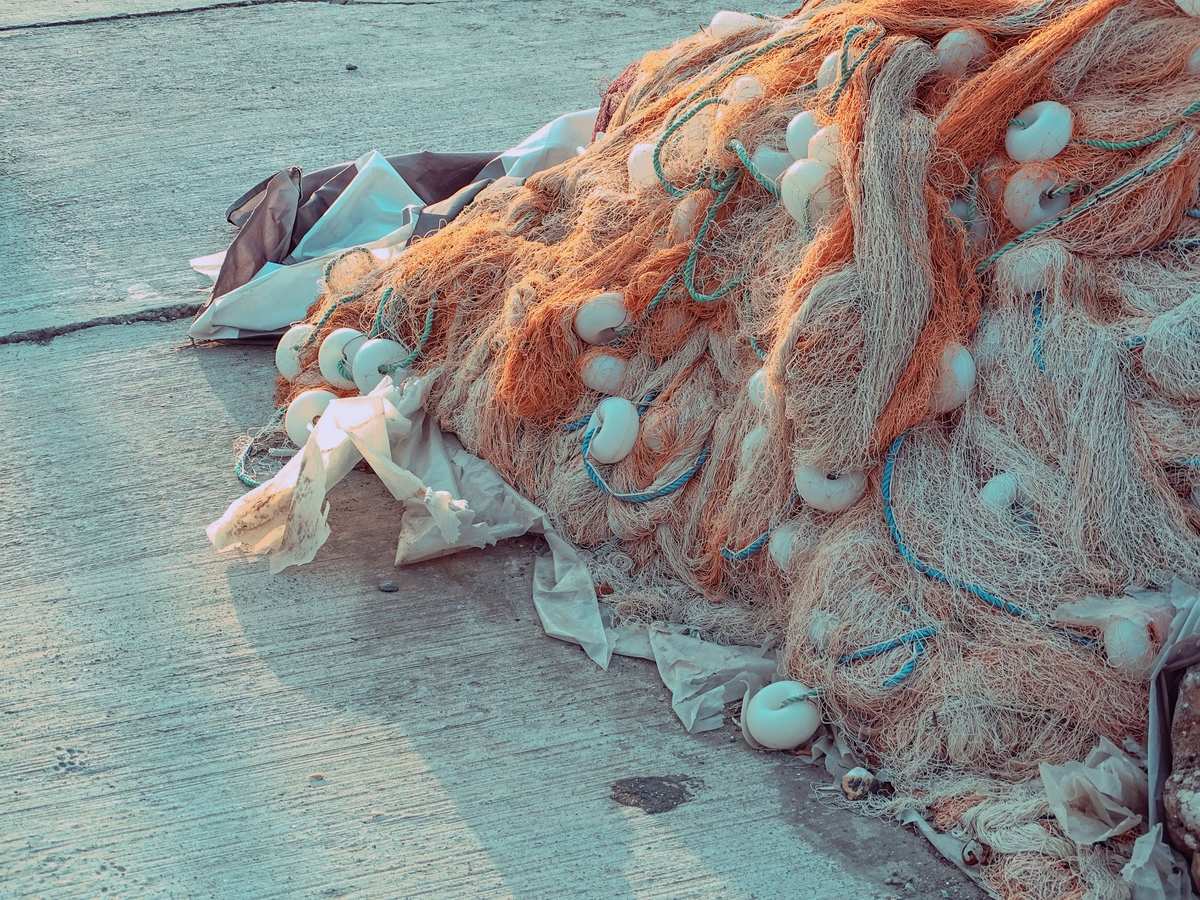
| Fishing material OBP | Nets, ropes and other plastic that fishers bring back to shore through incentive schemes instead of discarding it at sea |
The scheme only counts plastic from places where waste collection is missing or inadequate. It excludes plastic from public collection services, from areas with adequate collection, and from sorting centres, managed landfills and managed dumpsites, because that plastic has already been collected. Zero Plastic Oceans encourages collectors in the 50 km band to work as close to shores and rivers as they can.
How it is measured and checked
At collection. A certified collection organisation weighs what it gathers and records where it came from, so each tonne can be assigned to a category. Photos and site evidence support the distances.
Through the chain. Under the OBP Recycling subprogram, recyclable plastic is traced from the collector through the recycler to the brand that uses it. Control Union, which certifies against the scheme, describes this as verification of the full chain of custody through to the final product.
For plastic that cannot be recycled. The OBP Neutrality subprogram covers plastic with no recycling market. Certified service providers collect and treat it, and companies buy OBP Credits for a set tonnage.
Certified organisations are audited and certificates last one year. As with any credit, the questions in how plastic credits are verified apply here too.
Ocean plastic, ocean-bound plastic and marine plastic
These terms get mixed up, and the difference changes what a claim means.
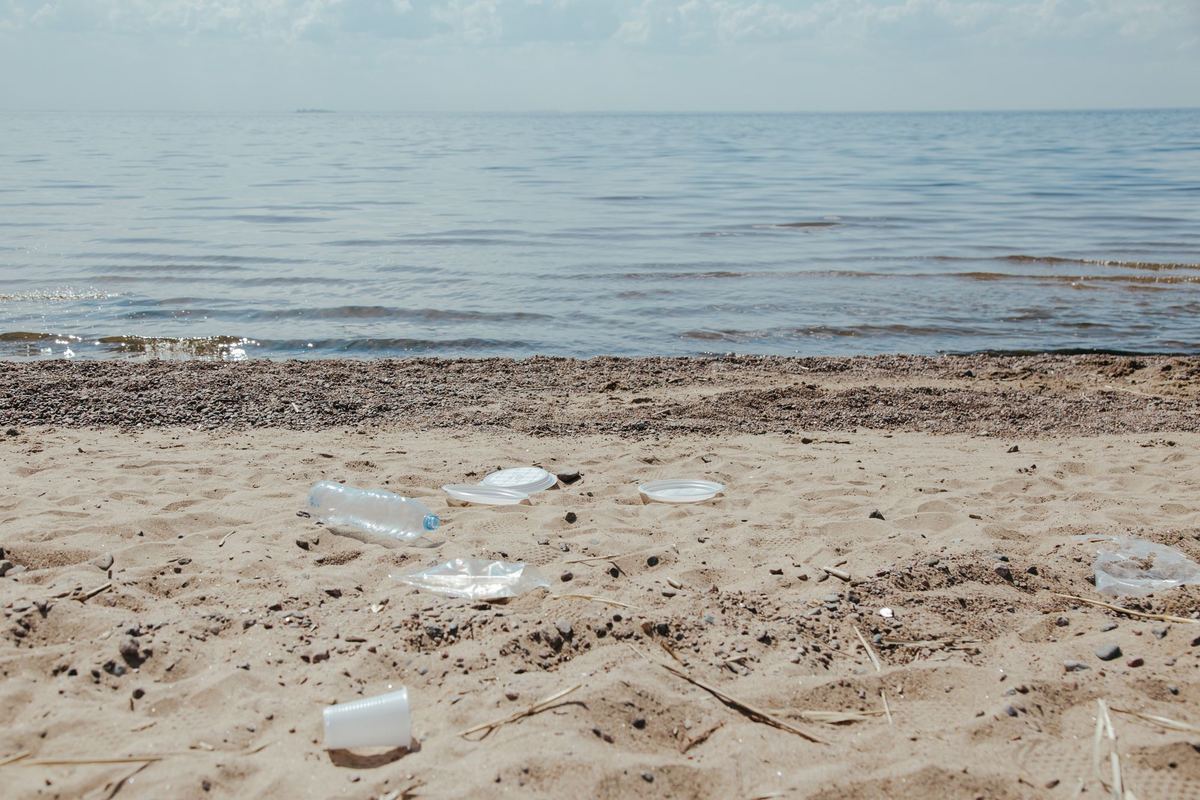
- Ocean or marine plastic has already reached the sea or the beach.
- Ocean-bound plastic is still on land or in rivers, at risk of reaching the sea.
- Potential OBP can be up to 50 km from the coast.
Some products labelled "ocean plastic" use ocean-bound plastic collected on land, as the Australian case below shows. Collecting it before it reaches the water is worthwhile. Calling it plastic "from the ocean" is a different claim.
Why "ocean plastic" claims need care
In 2023 Tangaroa Blue Foundation and lawyers from the Environmental Defenders Office asked Australia's competition regulator to look at "ocean plastic" products. One bin liner's fine print said its plastic was collected from communities with no formal waste management within 50 km of the shoreline. The regulator noted there is no standard definition for these terms, which may leave consumers with a false impression.
The same logic applies under the UK's Green Claims Code: a claim must be clear and must not leave out information that changes its meaning. I would rather drop phrases like "saving our oceans" and say exactly what was collected, in which category and where.
The OBP scheme also offers "Ocean Bound Plastic Neutral" and "Positive" labels for companies that fund the collection of an equivalent weight of plastic, or more than 120% of it. We advise against neutral-style claims. Funding collection somewhere does not cancel the plastic a product puts into the world, as Are plastic credits greenwashing? explains.
Why the category matters
Plastic picked out of a river mouth has a high chance of reaching the sea. Plastic picked up in a town 50 km inland has a lower one, depending on drainage, rainfall and rivers. Both can be worth collecting. They are not the same claim.
What we can see on a beach is only part of the problem. As plastic breaks into smaller pieces it becomes much harder to recover, which is another reason to catch it early, on land.
How to describe ocean-bound plastic honestly
Name the category: shoreline, waterways, within 50 km, or fishing material.
Say where and when: for example, "We funded the collection of 40 tonnes of shoreline ocean-bound plastic on the coast of Ghana in 2026."
Say what happened next: recycled, co-processed or landfilled. See what happens to collected plastic.
Name the standard and link to the certificate or registry entry.
Avoid "removed from the ocean" unless it was.
The Ghana example is illustrative; use your own figures.
The Reclaim Earth newsletter
Follow the plastic, not the promises.
One email a month on plastic recovery.
Updates from our partner projects, plain-English explainers on plastic credits, and the questions worth asking of any plastic claim. Free, and you can unsubscribe at any time.
Sign-ups are handled by Substack. See Substack's privacy policy, our privacy notice and our cookie notice.
Frequently asked questions
What does ocean-bound plastic mean?
Plastic waste on land or in rivers that is likely to reach the sea, usually because nobody collects it. The Zero Plastic Oceans definition limits it to areas with missing or inadequate waste collection.
What is the 50 km rule?
Zero Plastic Oceans counts abandoned plastic within 50 km of the shore as "potential" ocean-bound plastic. The distance comes from Jambeck and colleagues' 2015 study of plastic reaching the sea from coastal populations.
Is ocean-bound plastic the same as ocean plastic?
No. Ocean plastic has already reached the sea. Ocean-bound plastic is collected before it gets there.
Who certifies ocean-bound plastic?
The best-known dedicated scheme is Zero Plastic Oceans' OBP certification, audited by approved certification bodies such as Control Union. Other plastic credit standards use their own definitions of where plastic is collected.
Can a product say it is made from ocean plastic if it uses ocean-bound plastic?
It should say ocean-bound plastic and give the category. Calling it ocean plastic risks misleading customers.
Sources
- Zero Plastic Oceans, OBP Program Definitions & Annexes V1.4 (March 2024)
- Control Union, Ocean Bound Plastic certification
- Umweltbundesamt, Zero Plastic Oceans OBP Recycling Subprogram certification profile (January 2026, in German)
- Jambeck, J. et al. (2015), Plastic waste inputs from land into the ocean, Science
- Meijer, L. et al. (2021), More than 1000 rivers account for 80% of global riverine plastic emissions into the ocean, Science Advances (TU Delft record)
- SBS News / AAP, Concerns raised over "ocean plastic" claims on supermarket items (April 2023)
- CMA, Green Claims Code
Published by Reclaimed Earth Limited (Companies House 17392812), which works with plastic recovery projects in India, Indonesia and the Philippines and has a commercial interest in plastic credits. Edited with the Reclaimed Earth editorial team. Last updated 20 October 2026.