Guide
Waste pickers and plastic credits: who does the work

On this page 9 sections
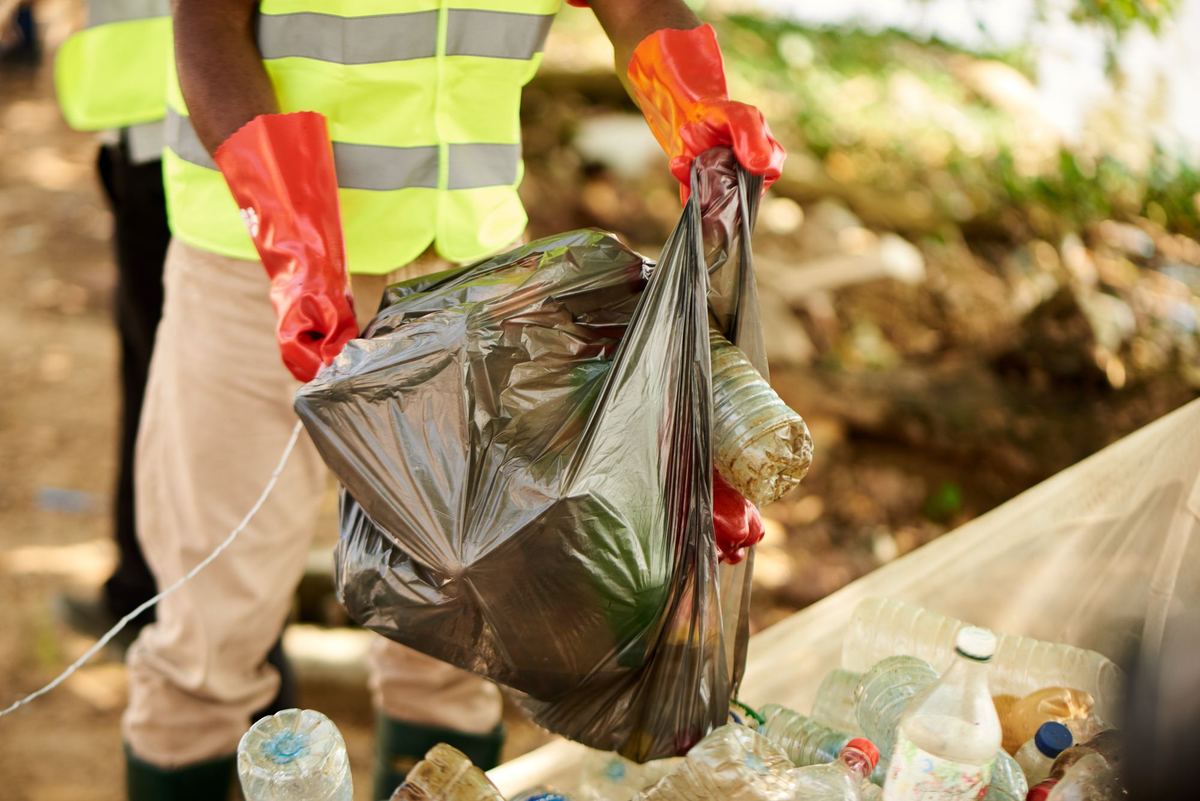
Behind every tonne of collected plastic there are people. In many cities the people doing that work are not employed by anyone. They pick plastic from streets, dumps and rivers, sort it by hand and sell it to dealers. A plastic credit adds money to that chain. Where the money ends up is one of the first things I want to understand about a project.
If you are new to plastic credits, start with What is a plastic credit?.
Who waste pickers are
Waste pickers collect, sort and sell recyclable material, usually outside any formal contract. WIEGO, a research network on informal work, estimates that 15 to 20 million people work as informal waste pickers worldwide. It is an estimate, because most of this work goes unrecorded.
Their contribution is large. The 2020 Breaking the Plastic Wave study by The Pew Charitable Trusts and SYSTEMIQ estimated that waste pickers collect 58% of the plastic collected for recycling worldwide.
The work carries real risks. WIEGO notes exposure to contaminated and hazardous material, from medical waste to toxic fumes, and earnings that vary widely by region, by the type of work and between women and men.
Waste pickers also organise. The International Alliance of Waste Pickers represents about 460,000 organised waste pickers in 34 countries, according to WIEGO.
Where plastic credits come in
Plastic credits pay for collection or recycling that would not happen otherwise. Much of that collection already depends on informal workers. That creates three possible outcomes.
Credits can raise income. If part of the credit money reaches the people who collect the plastic, through better prices, bonuses or steady contracts, their income goes up and becomes more predictable.
Credits can improve conditions. Projects can fund protective equipment, health checks, sorting sheds, childcare or identity documents that let workers access public services.
Credits can push workers out. A project that sets up its own collection with new staff, or buys up material that waste pickers used to sell, can cut their income. Higher prices for collected plastic can also attract better-funded operators into areas that informal workers relied on.
The same tonne of plastic can sit behind any of these outcomes. A buyer has no way to tell which one it funded without asking.
What the standards say
Verra's Plastic Program says it aims to "mitigate the risks that disproportionately affect the informal waste sector through robust health and safety requirements" and to "improve livelihoods and offer dignified work". Other schemes set their own social rules, with different levels of detail and checking. The audit is where those commitments become evidence. How plastic credits are verified explains what auditors look at.
Outside the credit schemes, two developments matter.
- The UN plastics negotiations. In March 2022 the UN Environment Assembly adopted resolution 5/14, which launched negotiations on a plastics treaty. It recognised the significant contribution of workers in informal and cooperative settings to collecting, sorting and recycling plastic. No treaty has been adopted yet. Waste picker organisations are pushing for a "just transition" that protects their livelihoods as plastic systems change.
- The Fair Circularity Initiative. Convened by Tearfund with BSR as secretariat, it brings together companies including PepsiCo, Unilever, Nestlé, The Coca-Cola Company and Tetra Pak, alongside the International Alliance of Waste Pickers. Its principles apply the UN Guiding Principles on Business and Human Rights to informal waste work.
What a good project looks like
Drawing on the guidance above, a project that works well with waste pickers:
Knows who collects. It keeps a register of the people who supply it, with their consent.
Pays a known price. Prices and any credit bonus are written down and paid on time.
Shares the credit money. It can show what part of the credit revenue reaches collectors.
Protects health. It provides equipment, training and somewhere safe to sort.
Works with existing groups. It partners with waste picker cooperatives and associations instead of replacing them.
Keeps children out. It checks that no child labour is involved.
Gives workers a voice. Collectors can raise problems and get answers.
What I look for
When I look at a project, I ask how the workers are treated and paid, and whether the project makes sense locally. The process matters to me as an engineer. The people doing the work matter as much to whether that process makes a difference to the community.
OAR, one of our partners in India, is a project we have visited several times. Its approach brings informal waste workers into community collection, and the commitment of the people there stayed with me. The value I hope this work creates is lasting: cleaner waterways, fair treatment for workers, and materials that stay in use.
Questions to ask before you buy
- Who collected the plastic: employees, contracted collectors, cooperatives or independent waste pickers?
- How are collectors paid, and what share of the credit price reaches them?
- What health and safety measures are in place, and who checks them?
- Did the project replace anyone's existing income?
- How does the project make sure no children are working?
- Can you see the social section of the audit report?
How to describe it
If you talk about the people behind your credits, be specific and keep it to what you can show. For example: "Our credits funded protective equipment and a fixed minimum price for 120 collectors in a cooperative in Kenya in 2026." Avoid "empowering communities" unless you can say how. Our guide to buying plastic credits responsibly covers wording. The Kenya example is illustrative; use your own figures.
The Reclaim Earth newsletter
Follow the plastic, not the promises.
One email a month on plastic recovery.
Updates from our partner projects, plain-English explainers on plastic credits, and the questions worth asking of any plastic claim. Free, and you can unsubscribe at any time.
Sign-ups are handled by Substack. See Substack's privacy policy, our privacy notice and our cookie notice.
Frequently asked questions
What is a waste picker?
A person who collects, sorts and sells recyclable materials, usually informally. Waste pickers work on streets, at dumpsites, in rivers and on beaches.
How many waste pickers are there?
WIEGO estimates 15 to 20 million worldwide. Exact numbers are hard to find, because most of the work is informal.
Do plastic credits help waste pickers?
They can, if part of the money reaches collectors as better pay, steadier income and safer conditions. They can also harm them if a project displaces existing collectors. Ask the project to show which.
What is a just transition for waste pickers?
A term waste picker organisations use for changes to plastic and waste systems that protect the livelihoods and rights of the people who already do the work.
What should a plastic credit report say about workers?
Who collected the plastic, how they were paid, what safety measures were in place and how this was checked.
Sources
- WIEGO, Waste pickers
- The Pew Charitable Trusts and SYSTEMIQ, Breaking the Plastic Wave (2020)
- Verra, Why purchase plastic credits
- UNEP, Resolution 5/14: End plastic pollution: towards an international legally binding instrument (March 2022)
- Down To Earth, International body of waste pickers demands representation in all treaty discussions
- Fair Circularity Initiative
- International Alliance of Waste Pickers, Vision for a just transition (position paper, 2024)
Published by Reclaimed Earth Limited (Companies House 17392812), which works with plastic recovery projects in India, Indonesia and the Philippines and has a commercial interest in plastic credits. OAR is a Reclaimed Earth partner. Edited with the Reclaimed Earth editorial team. Last updated 20 October 2026.